Carrot: A Playful Typeface for Vibrant Design
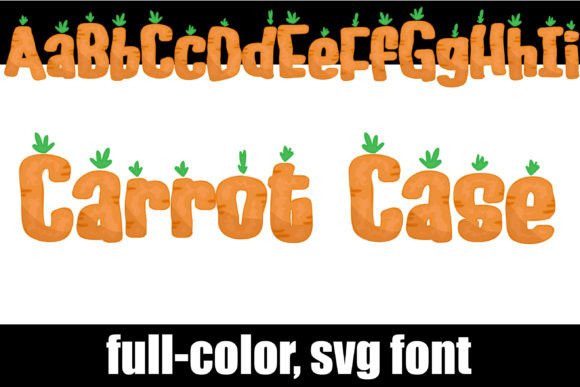
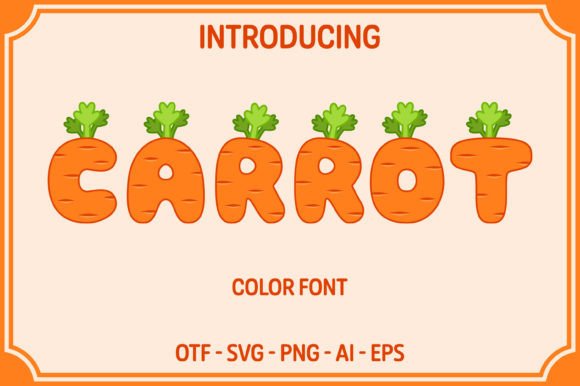
In the crowded landscape of digital typography, a typeface that immediately captures attention can be a game-changer for any creative project. Carrot and Carrot Color Font is exactly that—a typeface where every letter is ingeniously crafted to resemble a carrot, complete with varied colors and textures. This unique design asset injects a burst of playful energy, making it an exceptional tool for graphic designers, marketers, and creators aiming to create memorable visual communication and stand out in a saturated market.
Understanding the Visual Impact of Carrot
At its core, Carrot is more than just a novelty font; it's a strategic creative asset. In modern graphic design, typography is a fundamental pillar of brand identity and visual hierarchy. A distinctive font like Carrot can instantly set a brand's tone, conveying creativity, freshness, and approachability. Its inherent visual interest makes it particularly effective for projects requiring a strong first impression, where the goal is to evoke emotion and ensure immediate recognition.
Practical Applications Across Design Disciplines
The versatility of this playful typeface allows it to enhance a wide array of design projects, each benefiting from its unique character.
- Branding and Logo Design: A logo set in Carrot can become the cornerstone of a memorable brand identity, ideal for businesses in food, health, children's products, or any sector wanting to project a fun, organic image.
- Marketing and Advertising: Headlines on posters, flyers, or digital ads become instant focal points, improving user engagement and click-through rates by breaking the visual monotony.
- Social Media Content: In fast-scrolling feeds, Carrot excels at creating eye-catching graphics for posts, stories, and thumbnails, boosting visibility and shareability.
- Packaging Design: On physical products, this font can communicate key messages playfully, influencing purchasing decisions at the shelf level and enhancing the overall unboxing experience.
- Web and UI Design: Used sparingly for key headlines or calls-to-action, it can add personality to a website or app interface, improving the user experience without compromising readability for body text.
- Editorial and Print Design: Magazine covers, book titles, or event posters can leverage Carrot to signal a creative, non-traditional editorial voice.
Tips for Effective Implementation
Integrating a specialty font like Carrot into a professional design workflow requires thoughtful consideration to maintain visual coherence and effectiveness.
- Prioritize Hierarchy and Readability: Use Carrot primarily for display purposes—headlines, titles, and short, impactful phrases. Pair it with a clean, neutral sans-serif or serif font for body copy to ensure legibility and establish a clear visual hierarchy.
- Audience and Context Alignment: Evaluate whether the font's playful aesthetic aligns with your target audience's expectations and the project's goals. It's perfect for a children's brand or a summer festival but may be less suitable for a formal corporate report.
- Consider Scalability and Medium: Test the font at various sizes to ensure the intricate carrot details remain clear, especially for smaller applications like social media icons or mobile UI elements. Its performance in print versus digital should also be assessed.
- Color Palette Synergy: The "color font" aspect means the font itself carries color. Ensure the chosen palette complements your overall brand colors and design scheme for a harmonious and professional presentation.
Ultimately, the power of a resource like Carrot lies in its ability to transform ordinary text into a dynamic visual element. By thoughtfully applying such creative assets, designers and creators can significantly elevate their work, ensuring that every piece of communication not only conveys a message but also delivers a compelling visual experience. Choosing the right typeface is a critical decision in the design process, one that directly influences brand perception, audience engagement, and the overall quality of the final output.