Valentine Pink: A Dynamic Font for Modern Design
In the crowded landscape of digital and print media, a single color choice can define a brand's entire emotional resonance. Valentine Pink is more than just a hue; it's a statement color font that injects immediate warmth, personality, and sophistication into any creative project. For designers seeking a resource that blends playful charm with professional polish, this typeface offers a versatile solution that stands out in a sea of standard typography.
Understanding the Power of a Color Font
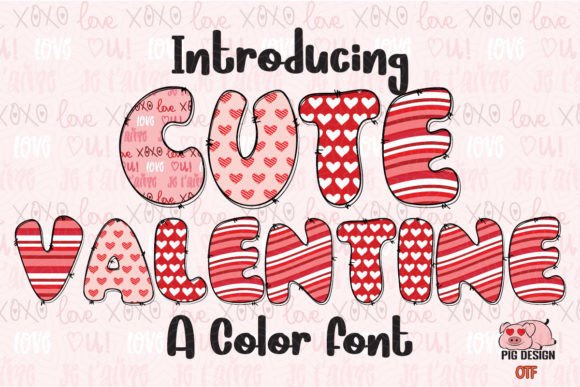
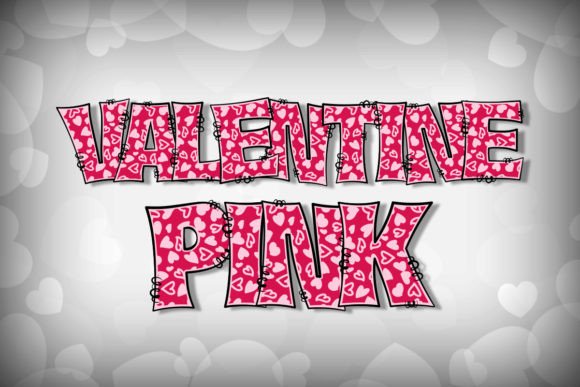
Unlike traditional fonts that rely on a single solid color, Valentine Pink is a multi-color typeface where the pink hue is embedded directly into the font file. This innovation allows for intricate details, gradients, and textures to be preserved without the need for complex layering in your design software. The result is a high-fidelity visual asset that maintains its integrity across various mediums. This capability is crucial for maintaining brand consistency, ensuring that your visual identity remains sharp whether displayed on a high-resolution screen or printed on physical merchandise.
Strategic Applications in Visual Design
The utility of Valentine Pink extends far beyond simple text. Its eye-catching nature makes it a powerhouse for specific design scenarios where engagement and aesthetic appeal are paramount. Consider integrating this asset into your workflow for:
- Brand Identity and Logo Design: A logo sets the stage for customer perception. Valentine Pink provides a unique texture that can make a brand feel more approachable and creative, particularly for lifestyle, beauty, or artisanal brands.
- Social Media and Digital Marketing: In fast-scrolling environments, static text often gets ignored. The detailed nature of this font creates immediate visual hierarchy, making it perfect for Instagram graphics, Facebook headers, and promotional banners that need to stop the scroll.
- Packaging and Product Design: On physical products, texture translates to perceived value. Using this font on labels or packaging can suggest a premium, handcrafted quality that appeals to discerning consumers.
- Event Stationery: For weddings, galas, or boutique invitations, the font adds a layer of romance and elegance that standard serif or sans-serif fonts cannot replicate.
Integrating Valentine Pink into Your Design Workflow
To maximize the impact of this creative asset, it must be deployed with a clear understanding of visual hierarchy and audience expectations. While Valentine Pink is highly detailed, it is best used as a display font for headlines, titles, or short call-to-action phrases. Its complexity ensures it commands attention, but pairing it with a clean, neutral sans-serif for body text is essential to maintain readability.
When working with a color font, consider the background environment. Because Valentine Pink carries significant visual weight, it pairs best with ample white space or muted, complementary tones. This contrast prevents the design from feeling cluttered and allows the font's intricate details to shine. For web design and UI elements, ensure that the font size is large enough to render the embedded details clearly on various screen resolutions.
Elevating Aesthetics with Thoughtful Typography
Typography is the voice of your design. Choosing a resource like Valentine Pink is a deliberate decision to communicate vibrancy and modern aesthetics. It helps solve the common challenge of making digital assets feel "alive." In a market saturated with flat, monochromatic designs, introducing a textured, colorful typeface can significantly improve user engagement. It transforms standard text into a graphic element in its own right, reducing the need for additional decorative illustrations or complex compositions.
Ultimately, the goal of any design project is effective communication. By selecting assets that are both beautiful and functional, you streamline your design process while elevating the final product. Valentine Pink offers that rare combination of distinctiveness and utility, proving that the right font is not just a tool for writing, but a foundational element of successful visual storytelling.